Alfredo Di Stefano Net Worth 2026 - Real Madrid's Original Galactico Built Empire in Football's Stone Age
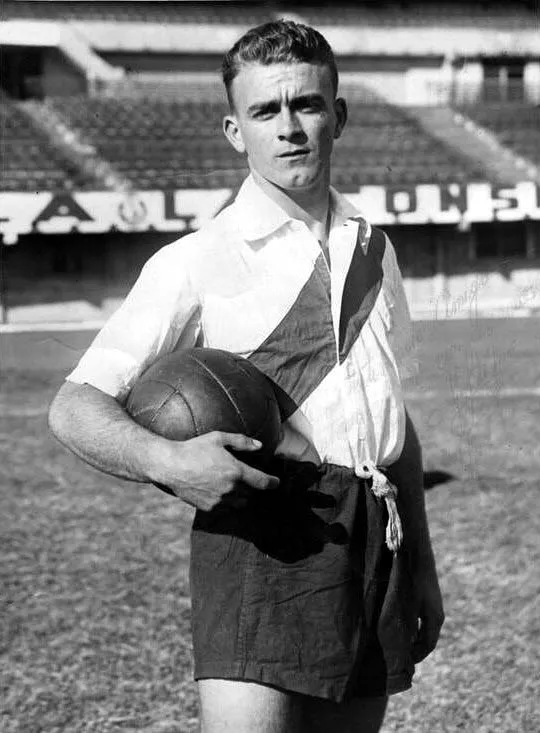
Photo: Unknown authorUnknown author, Public domain, via Wikimedia Commons
Alfredo Di Stefano Net Worth 2026 - Real Madrid's Original Galactico Built Empire in Football's Stone Age
Alfredo Di Stefano's estimated $20 million net worth at his death in 2014 represents one of football's most remarkable financial achievements. Operating during an era when player salaries barely exceeded middle-class wages, the Argentine maestro pioneered wealth-building strategies that wouldn't become commonplace until decades later.
 Photo: Real Madrid, via cdn.vox-cdn.com
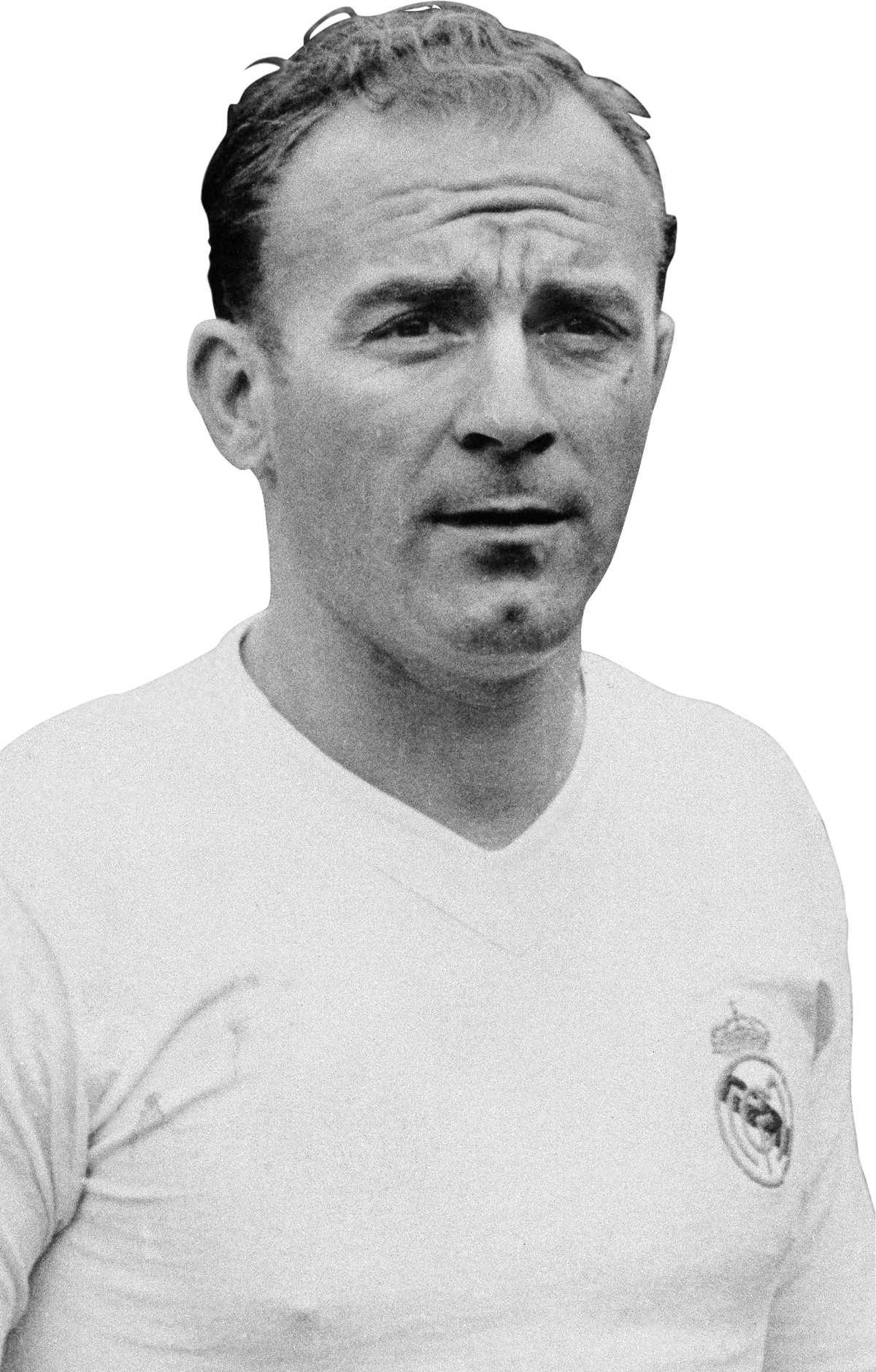 Photo: Alfredo Di Stefano, via www.footyrenders.com
River Plate Beginnings: Talent Meets Opportunity
Di Stefano's financial journey began in Buenos Aires during the 1940s, when professional football in Argentina offered modest compensation. His breakthrough at River Plate earned him roughly $200 monthly – decent wages for the time but hardly indicative of the fortune he would eventually accumulate.
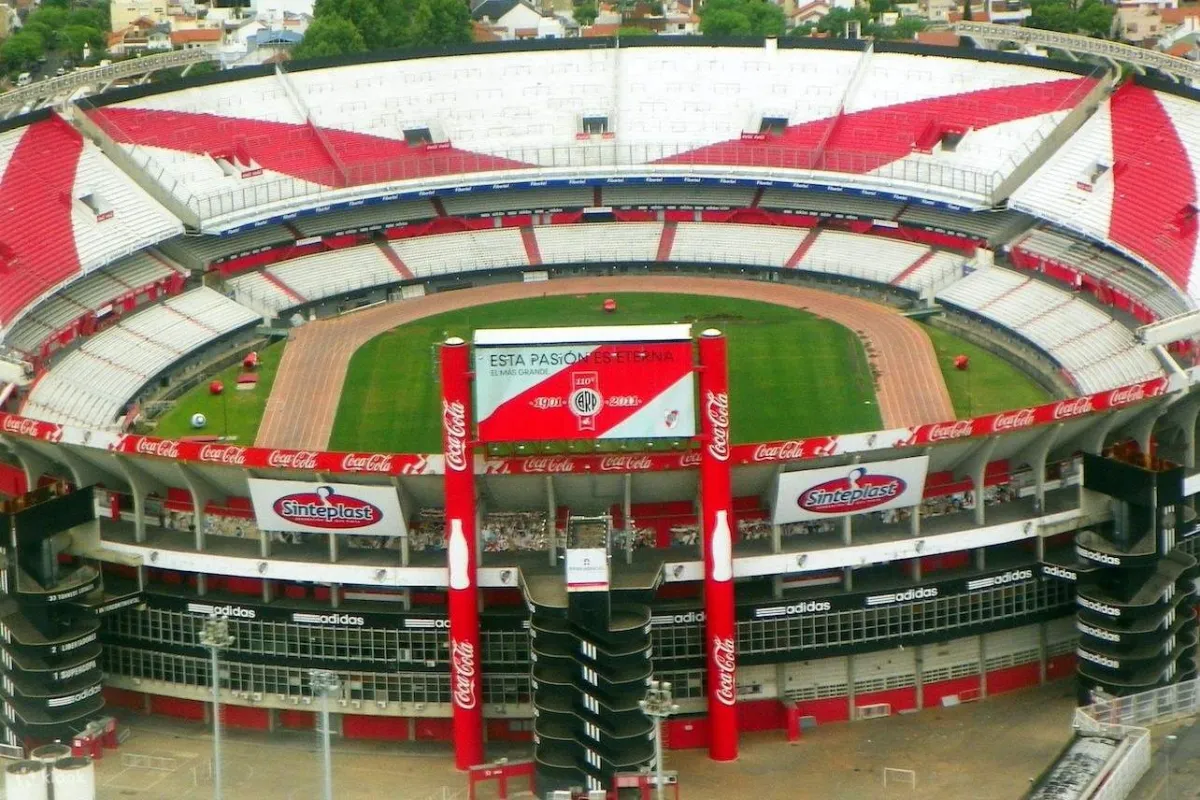 Photo: River Plate, via res.klook.com
However, even as a teenager, Di Stefano demonstrated the business acumen that would define his career. He negotiated appearance bonuses and performance incentives that were virtually unheard of in Argentine football, securing additional payments for goals scored and matches won.
His agent, recognizing Di Stefano's exceptional talent, also pursued endorsement opportunities with local businesses. These early deals – worth perhaps $50-100 monthly – established precedents for athlete marketing in South America while providing crucial additional income.
The Millonarios Goldmine: Colombian Adventure
Di Stefano's controversial move to Colombian club Millonarios in 1949 transformed his financial prospects dramatically. The Colombian league, operating outside FIFA's jurisdiction, offered astronomical salaries to attract top international talent.
His four-year Millonarios contract guaranteed $2,000 monthly plus bonuses – roughly ten times his River Plate salary. More importantly, the deal included housing, transportation, and living expenses that effectively doubled his compensation package.
The Colombian experience also exposed Di Stefano to international business opportunities. Wealthy team owners introduced him to real estate investments and import-export ventures that generated significant returns. His stake in a Bogotá construction company, acquired for $5,000 in 1951, was worth $50,000 when he eventually sold it.
Real Madrid Revolution: The Transfer That Changed Everything
Di Stefano's 1953 arrival at Real Madrid occurred amid one of football's most complex transfer sagas, involving competing claims from Barcelona and legal battles spanning multiple countries. The resolution not only secured his services for Madrid but established him as football's first truly global superstar.
His initial Madrid contract paid $10,000 annually – substantial for 1950s Europe but modest compared to his eventual earnings. However, Di Stefano's advisors negotiated revolutionary clauses that tied his compensation to the club's success and commercial growth.
As Real Madrid's European Cup victories mounted, performance bonuses accumulated rapidly. Each of his five European Cup triumphs (1956-1960) triggered payments of $5,000-10,000, while his share of gate receipts from prestigious matches generated additional thousands annually.
More significantly, Di Stefano retained image rights and endorsement opportunities that were typically controlled by clubs. This foresight proved invaluable as his global recognition expanded and commercial opportunities multiplied.
European Cup Glory: Converting Titles Into Treasure
Di Stefano's domination of European football's premier competition created unprecedented earning opportunities. His five consecutive European Cup victories established him as the continent's most recognizable athlete, commanding appearance fees that dwarfed his basic salary.
Exhibition matches and international tours became particularly lucrative. Real Madrid's global popularity, driven largely by Di Stefano's brilliance, generated substantial additional revenue that the Argentine shared through his carefully negotiated contracts.
His European Cup performances also attracted endorsement offers from major brands across the continent. Deals with Adidas, various automotive manufacturers, and consumer goods companies generated annual income exceeding $20,000 by the late 1950s – equivalent to roughly $200,000 today.
Spanish Investments: Building Long-Term Wealth
Di Stefano's decision to make Spain his permanent home proved financially astute. His real estate investments, concentrated in Madrid's most prestigious neighborhoods, appreciated dramatically as the city modernized and expanded.
His Chamartín residence, purchased in 1955 for $15,000, became worth over $500,000 by the 1990s. Additional properties in Barcelona, Marbella, and the Canary Islands created a diversified portfolio that generated both rental income and capital appreciation.
The Argentine also invested in Spanish businesses, including restaurants, retail establishments, and construction companies. His partnership in a Madrid-based real estate development firm proved particularly profitable, generating returns that funded his post-playing lifestyle.
Coaching Career: The Second Act
Di Stefano's transition to coaching provided substantial additional income while maintaining his connection to elite football. His salary as Real Madrid coach exceeded $50,000 annually – impressive compensation for 1980s coaching positions.
More importantly, his coaching success triggered performance bonuses and profit-sharing arrangements. His guidance of Real Madrid to league titles and European competition generated additional payments worth hundreds of thousands of dollars.
International coaching opportunities, including stints with Argentina and various European clubs, commanded premium salaries while enhancing his global reputation. His consultancy work with FIFA and UEFA provided steady income streams throughout his later career.
Media and Commercial Ventures: The Celebrity Premium
Di Stefano's status as football's elder statesman created ongoing commercial opportunities well into his retirement. Television commentary work, particularly for major tournaments, commanded substantial fees while maintaining his public profile.
His autobiography and tactical guides generated significant royalties, with translations reaching markets across Europe and South America. Documentary appearances and archival footage licensing provided additional revenue streams as football's media landscape expanded.
Endorsement deals evolved with changing markets, transitioning from active product promotion to prestigious brand ambassadorships. His association with luxury brands and high-end services reflected his sophisticated image while generating six-figure annual payments.
Legacy Licensing: The Immortal Brand
Even after his death in 2014, Di Stefano's estate continues generating revenue through licensing agreements and commercial partnerships. His name and image remain valuable assets, particularly in markets where his legendary status endures.
Real Madrid's continued use of his likeness in marketing materials and commemorative products generates ongoing royalty payments to his heirs. Limited edition merchandise and collector items featuring Di Stefano command premium prices among football memorabilia enthusiasts.
The upcoming generation of football documentaries and biographical films promises additional licensing opportunities, ensuring that Di Stefano's financial legacy extends well beyond his playing career.
Modern Valuation: What Would Di Stefano Earn Today?
Analyzing Di Stefano's career through contemporary financial metrics reveals staggering potential earnings. His five European Cup victories, 49 goals in 58 European matches, and status as Real Madrid's all-time leading scorer would command astronomical compensation in today's market.
Conservative estimates suggest Di Stefano's peak seasons would generate $50-75 million annually in modern terms, combining salary, bonuses, and endorsement opportunities. His transfer value during his prime would likely exceed $200 million, rivaling today's most expensive moves.
His pioneering approach to contract negotiations and business investments, revolutionary for the 1950s, established templates that remain relevant in contemporary football finance. Di Stefano proved that true greatness creates wealth regardless of era, transforming talent into lasting financial success through vision, negotiation, and strategic planning.
The Stone Age Innovator
Alfredo Di Stefano's $20 million fortune represents more than accumulated wealth – it demonstrates how exceptional talent, combined with business acumen, can create substantial riches even in football's financial stone age. His legacy extends beyond goals and trophies to encompass the fundamental principles of athlete wealth-building that continue guiding modern superstars.
In an era when footballers were expected to be grateful for modest wages, Di Stefano demanded and received compensation reflecting his unique value. His story proves that greatness recognizes no financial limitations, creating opportunities that transcend any era's apparent constraints.