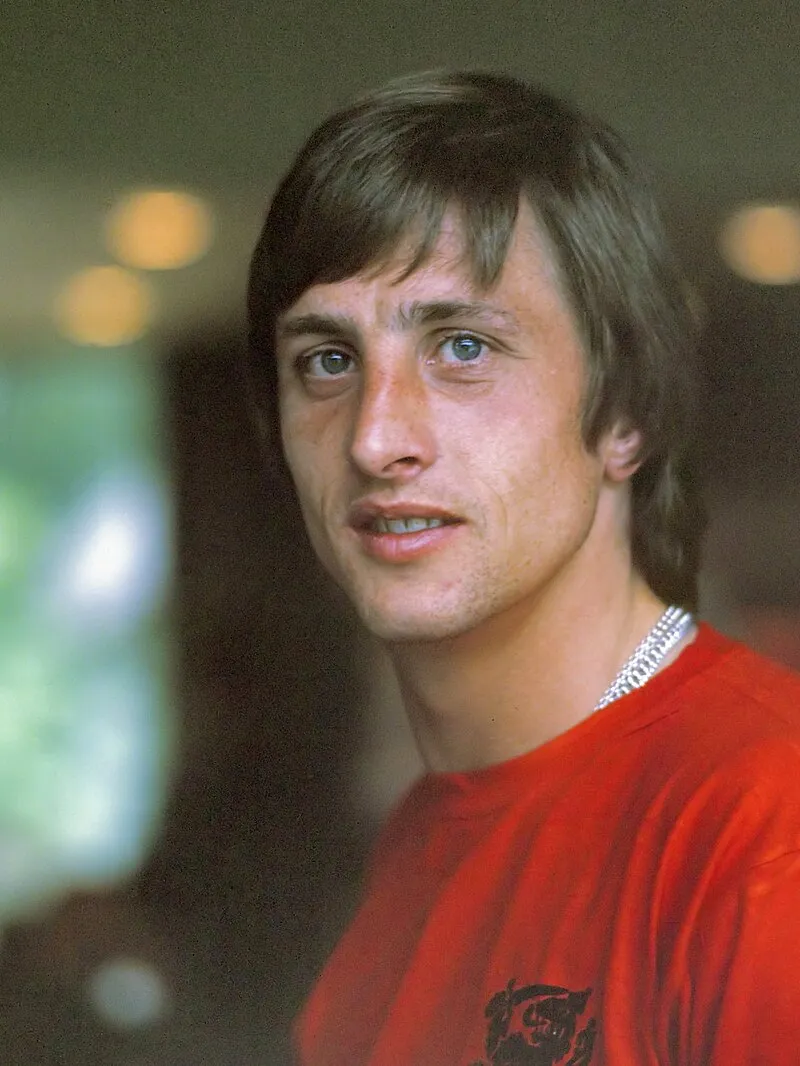
Johan Cruyff's estimated net worth at the time of his passing in 2016 was approximately $4 million, but his financial legacy and ongoing commercial value paint a more complex picture of wealth creation in football's formative decades. The Dutch maestro's approach to building fortune was as revolutionary as his Total Football philosophy, establishing precedents that modern players still follow today.
Early Career Earnings at Ajax
Cruyff's professional journey began at Ajax in 1964, where he earned modest wages by today's standards but substantial sums for the era. His initial contract paid approximately $100 per week, but by 1970, he had negotiated one of Europe's highest salaries at $2,000 monthly. His three consecutive European Cup victories (1971-1973) elevated his market value exponentially.
The forward's transfer to Barcelona in 1973 for a then-world record fee of $2 million demonstrated his commercial appeal. His four-year Barcelona contract guaranteed $300,000 annually, making him one of the world's highest-paid athletes across all sports.
Groundbreaking Endorsement Strategy
Cruyff's business acumen truly shone through his endorsement partnerships. His initial deal with Puma in the early 1970s was revolutionary, earning him $120,000 annually plus performance bonuses. However, his most famous commercial moment came during the 1974 World Cup, when he refused to wear adidas' three stripes, instead sporting a custom Puma jersey with two stripes.
This bold move cost him approximately $1 million in potential adidas endorsements but established his independence and personal brand value. The decision demonstrated Cruyff's understanding that athlete autonomy could be more valuable than corporate compliance.
Coaching Empire and Barcelona Legacy
Cruyff's transition to coaching proved equally lucrative. His eight-year tenure as Barcelona manager (1988-1996) earned him an estimated $8 million total, including performance bonuses for four consecutive La Liga titles and the 1992 European Cup victory.
Beyond salary, Cruyff negotiated unprecedented control over team philosophy and youth development, establishing the foundation for Barcelona's modern success. This strategic positioning created long-term value through consulting fees and advisory roles that continued throughout his lifetime.
Media Ventures and Publishing
The Dutch icon leveraged his tactical expertise into media wealth through newspaper columns, television analysis, and book deals. His weekly column in El Periodico reportedly earned him $50,000 annually, while his autobiography and tactical guides generated substantial royalties.
Cruyff's media presence extended to documentary projects and coaching clinics worldwide, creating multiple revenue streams that capitalized on his intellectual property and football philosophy.
The Cruyff Foundation and Social Impact
Established in 1997, the Cruyff Foundation became both a philanthropic vehicle and business entity. The foundation's Cruyff Courts project, building football facilities in underserved communities, attracted corporate partnerships worth millions in funding.
These initiatives enhanced Cruyff's brand value while generating consulting fees and speaking engagement opportunities that contributed significantly to his overall wealth.
Real Estate and Investment Portfolio
Cruyff maintained property investments across the Netherlands and Spain, including a Barcelona residence valued at approximately $1.5 million at his passing. His investment strategy favored stable real estate over high-risk ventures, reflecting his pragmatic approach to wealth preservation.
Ongoing Commercial Legacy
The Cruyff estate continues generating revenue through licensing deals, merchandise sales, and the Johan Cruyff Institute's educational programs. Annual licensing revenue is estimated at $500,000, while the institute's tuition fees and corporate partnerships contribute additional income streams.
Modern Valuation and Impact
While Cruyff's direct net worth was modest compared to today's superstars, his influence on football's commercial evolution is immeasurable. He pioneered athlete independence, tactical intellectualism, and holistic brand development that modern players like Lionel Messi and Cristiano Ronaldo have expanded upon.
Football finance experts estimate that Cruyff's innovations in player-brand relationships created frameworks worth billions in today's market. His refusal to accept standard endorsement terms established precedents for athlete autonomy that continue benefiting players decades later.
Legacy for American Soccer
Cruyff's impact on American soccer development through coaching clinics and tactical education programs created lasting value. His philosophy influenced Major League Soccer's youth development approaches and coaching education standards, demonstrating how intellectual property can transcend geographical boundaries.
The Dutch master's financial legacy proves that sustainable wealth in football extends beyond salary and endorsements to include intellectual contributions, social impact, and long-term brand development that continues generating value long after retirement.