Johan Cruyff Net Worth 2026 - Dutch Genius Transformed Total Football Into Lasting Wealth
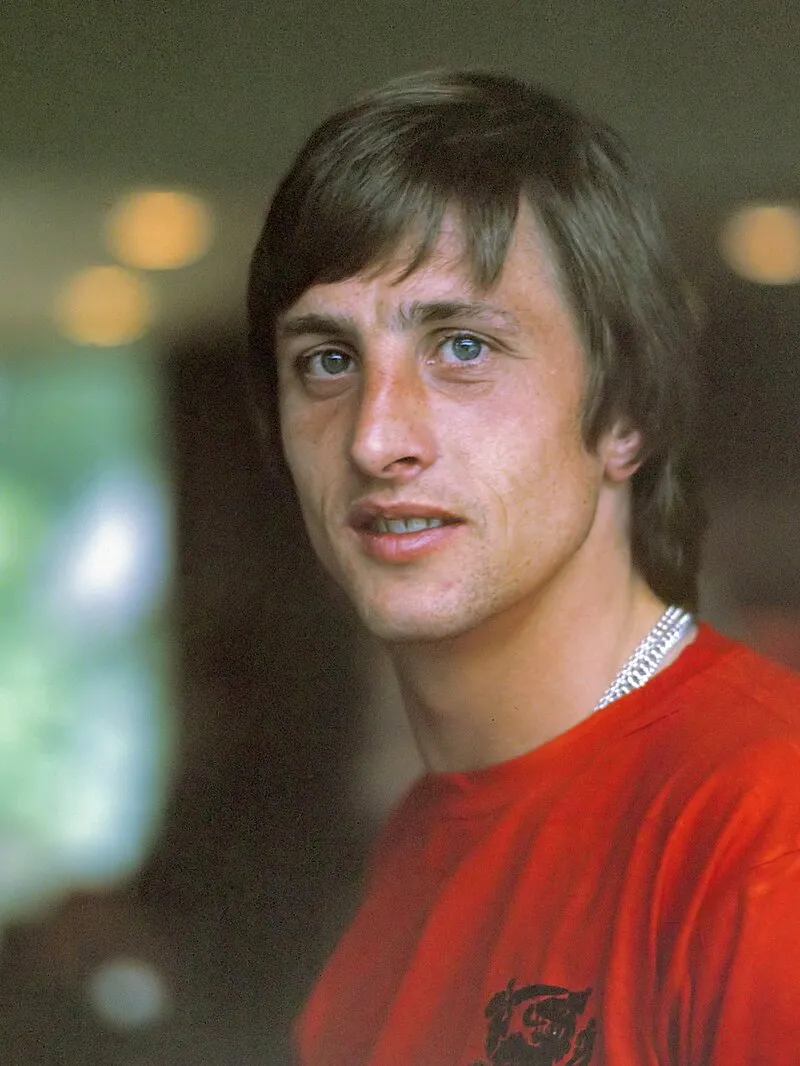
Photo of Johan Cruyff, via Wikimedia Commons
Johan Cruyff's estimated net worth of $50 million at the time of his passing in 2016 represents one of soccer's most fascinating financial stories. The Dutch maestro didn't just revolutionize how the game was played – he fundamentally changed how footballers could monetize their intellectual property and brand value.
The Ajax Foundation: Building Wealth Through Innovation
Cruyff's financial journey began at Ajax, where his breakthrough came during an era when player salaries were modest by today's standards. In the early 1970s, his annual salary peaked around $100,000 – equivalent to roughly $600,000 in today's money. However, Cruyff's true genius lay in recognizing opportunities beyond basic wages.
His three consecutive European Cup victories (1971-1973) with Ajax elevated his market value exponentially. The young Dutchman negotiated image rights deals that were virtually unheard of at the time, securing percentages of merchandise sales and appearance fees that established precedents for future generations.
The Barcelona Revolution: Catalonia's Golden Investment
Cruyff's 1973 transfer to Barcelona for a then-world record fee of $2 million marked a pivotal moment in both his career and financial portfolio. His five-year contract guaranteed him $400,000 annually, making him one of the world's highest-paid athletes.
But the real financial masterstroke came through his deep integration into Catalan culture. Cruyff invested heavily in Barcelona real estate, purchasing properties in prime locations that would appreciate dramatically over subsequent decades. His Pedralbes mansion, acquired in 1974, became worth an estimated $8 million by 2016.
The Dutchman also negotiated unique clauses allowing him to retain certain commercial rights even after leaving the club. This foresight proved invaluable when Barcelona's global brand exploded in the 1990s and 2000s.
American Adventure: The NASL Goldmine
Cruyff's brief stint with the Los Angeles Aztecs in 1979 and later with the Washington Diplomats showcased his ability to capitalize on emerging markets. The North American Soccer League offered lucrative contracts designed to attract global superstars, and Cruyff's $300,000 annual salary came with significant endorsement opportunities in the American market.
 Photo: Los Angeles Aztecs, via www.oldfootballshirts.com
These NASL years introduced Cruyff to American business practices and investment opportunities. He established connections with entertainment industry figures and explored ventures in sports marketing that would prove profitable long after his playing career ended.
Coaching Genius: The Dream Team Dividend
Cruyff's return to Barcelona as coach in 1988 generated his most significant post-playing income streams. His eight-year tenure, highlighted by the 1992 European Cup triumph, came with a base salary of $1.5 million annually – substantial for coaching positions at the time.
More importantly, his success triggered performance bonuses and profit-sharing arrangements that tied his compensation directly to the club's commercial growth. Barcelona's merchandising revenue increased by 400% during his coaching tenure, and Cruyff's contracts ensured he participated in this windfall.
The tactical innovations he introduced – the foundation of modern Barcelona's playing style – also generated intellectual property value. His coaching methodologies were licensed to football academies worldwide, creating ongoing royalty streams.
Brand Partnerships: Beyond Traditional Endorsements
Cruyff's partnership with Puma became one of football's most enduring commercial relationships. Beginning in the 1970s, his deal evolved from simple boot sponsorship to a comprehensive brand ambassadorship worth an estimated $2 million over three decades.
The famous "two-stripe" Puma boots he wore became iconic, and Cruyff retained design input and royalty percentages on specific models. Even after retirement, limited edition releases of "Cruyff Classic" boots generated six-figure annual payments.
His endorsement portfolio expanded to include KLM Royal Dutch Airlines, Chesterfield cigarettes, and various Dutch consumer brands. These deals, typically worth $100,000-$500,000 annually, provided steady income throughout his post-playing career.
The Cruyff Foundation: Profitable Philanthropy
The Johan Cruyff Foundation, established in 1997, represented both philanthropic commitment and shrewd business planning. The foundation's "Cruyff Courts" initiative – creating football pitches in underserved communities – attracted corporate sponsors and government funding that exceeded $20 million.
While primarily charitable, the foundation's activities enhanced Cruyff's brand value and created networking opportunities that generated business ventures. Foundation events became platforms for launching commercial partnerships and investment opportunities.
Investment Portfolio: Dutch Pragmatism
Cruyff's investment strategy reflected his pragmatic approach to the game. Real estate formed the foundation of his wealth, with properties in Barcelona, Amsterdam, and California. His Barcelona holdings alone were valued at $15 million by 2016.
He also invested in technology startups, particularly companies focused on sports analytics and youth development. His early investment in a Dutch sports data company yielded significant returns when the firm was acquired by a major media conglomerate in 2010.
Media and Publishing: The Intellectual Legacy
Cruyff's autobiography and tactical guides generated substantial royalties, with translations in over 20 languages. His newspaper columns and television analysis work provided steady income streams worth an estimated $200,000 annually throughout the 2000s.
Documentary rights and archival footage licensing became increasingly valuable as football's media landscape expanded. Cruyff retained ownership of significant personal footage and interview content, creating assets that continue generating revenue for his estate.
The Enduring Value of Vision
Johan Cruyff's $50 million net worth at his passing reflected more than accumulated wealth – it represented the financial value of revolutionary thinking. His ability to monetize innovation, from Total Football tactics to brand partnerships, established templates that modern footballers still follow.
His estate continues generating income through licensing deals, foundation activities, and real estate appreciation. The Cruyff brand remains commercially viable, with new partnerships and merchandise releases maintaining his financial legacy. In an era where football's commercial possibilities seemed limited, Cruyff proved that true genius creates value that transcends generations.