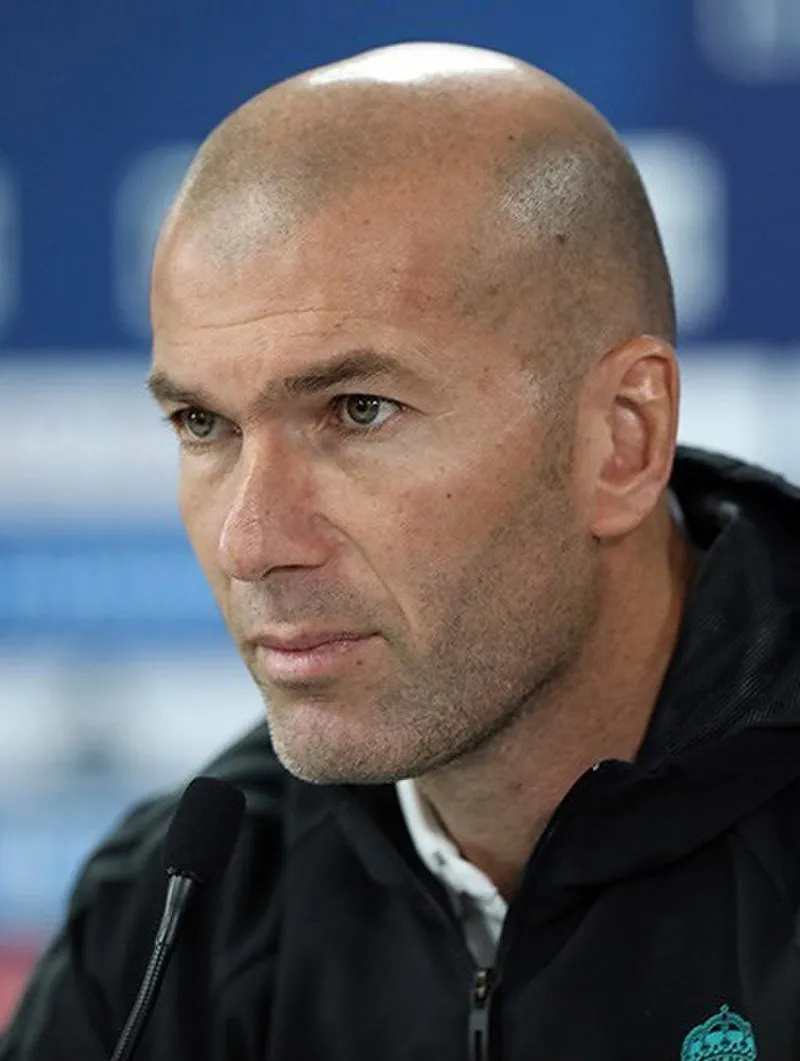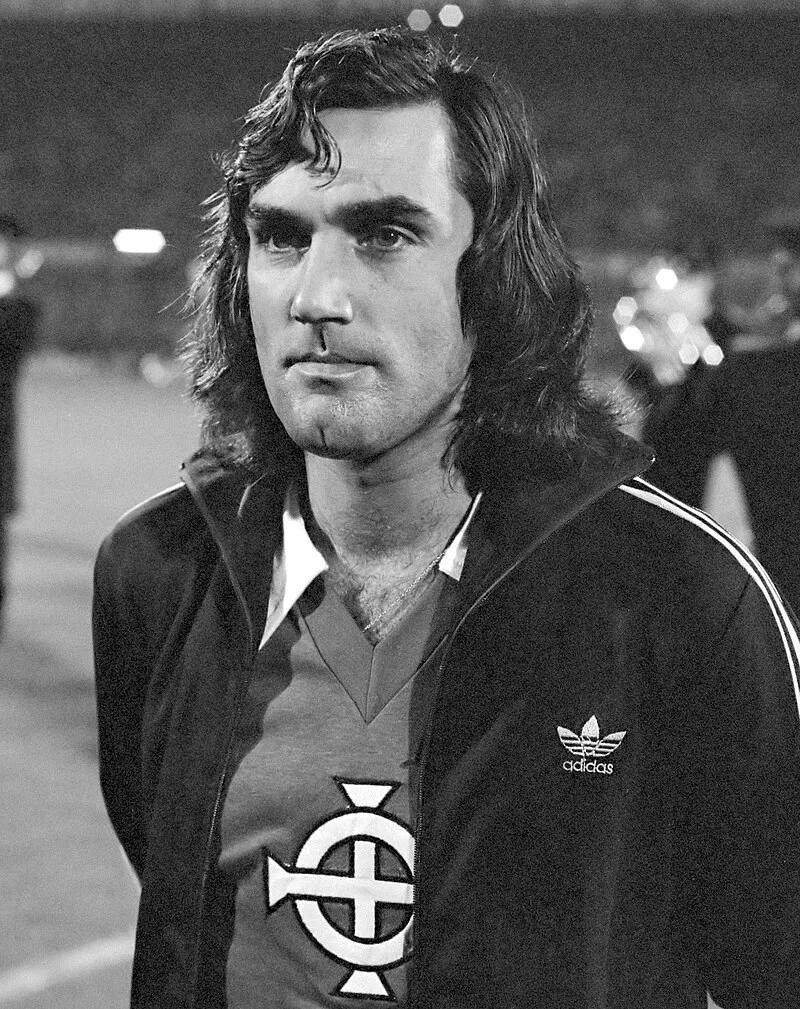
George Best's financial story reads like a cautionary tale that resonates deeply with American sports fans familiar with the boom-and-bust cycles of athletic stardom. The Northern Irish winger, who died in 2005, amassed considerable wealth during his playing career but squandered much of it through poor financial decisions and personal demons. Today, his estate maintains a modest but steady income stream through carefully managed licensing deals.
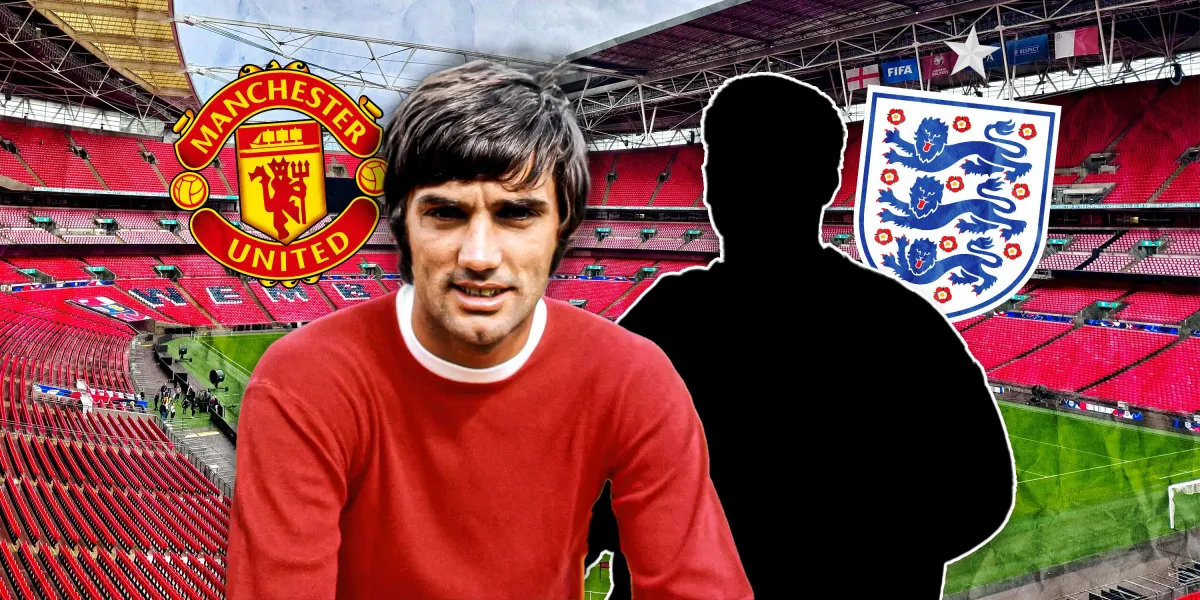 Photo: George Best, via static0.givemesportimages.com
Peak Earning Years at Manchester United
During his prime years from 1963 to 1974, Best commanded unprecedented wages for a British footballer. His Manchester United salary peaked at approximately £1,000 per week in the early 1970s – equivalent to roughly $85,000 annually in today's money. While modest by modern standards, this made Best one of the highest-paid athletes in Britain at the time.
 Photo: Manchester United, via www.pixelstalk.net
Best's marketability extended far beyond the pitch. His rock-star lifestyle and photogenic appearance attracted endorsement deals with major brands including Stylo Boots, which paid him £1,000 annually – a significant sum for a footballer in that era. He also earned appearance fees for television shows and modeling assignments, capitalizing on his status as Britain's first true football celebrity.
Commercial Ventures and Business Missteps
The Manchester United legend attempted to diversify his income through various business ventures with mixed results. His most successful endeavor was a chain of fashion boutiques in Manchester, which capitalized on his trendsetting image. However, like many athletes of his generation, Best lacked proper financial guidance and made several costly investments.
His nightclub ventures in Manchester and later in the United States proved particularly problematic. While initially profitable, these establishments became synonymous with Best's excessive lifestyle and contributed to both his financial decline and personal struggles with alcohol. The nightclub losses alone are estimated to have cost him over £500,000 during the 1970s.
International Career and Exhibition Matches
Best's 37 appearances for Northern Ireland generated relatively modest direct compensation, as international football offered minimal financial rewards during his era. However, his World Cup absence – Northern Ireland failed to qualify during his peak years – likely cost him millions in potential endorsement and appearance fee increases.
 Photo: Northern Ireland, via www.kevmrc.com
Following his Manchester United departure, Best commanded substantial fees for exhibition matches and guest appearances with various clubs worldwide. His stint with the Los Angeles Aztecs in the North American Soccer League earned him approximately $250,000 annually, making him one of the highest-paid players in American professional soccer history at that time.
Media Rights and Licensing Revenue
Unlike modern footballers who carefully manage their image rights, Best operated in an era with minimal intellectual property protections for athletes. This oversight would later prove costly, as he retained limited control over his name and likeness for commercial purposes.
However, his estate has successfully monetized his legacy through strategic partnerships. Manchester United continues paying licensing fees for Best-related merchandise, while his autobiography and various documentaries generate ongoing royalty payments. These revenue streams collectively contribute an estimated £100,000 annually to his estate.
Real Estate Holdings and Assets
Best's property investments reflected his impulsive nature and changing circumstances. His most valuable holding was a luxury home in Bramhall, Cheshire, purchased during his Manchester United peak. However, financial pressures forced him to sell this property in the 1980s for significantly less than its potential value.
Later real estate purchases in London and Belfast proved equally problematic. Best's inability to maintain consistent income streams meant he often sold properties during market downturns, resulting in substantial losses that further eroded his net worth.
Financial Decline and Personal Struggles
Best's well-documented battles with alcoholism directly impacted his earning potential and financial management. By the 1980s, mounting debts and declining commercial appeal had reduced his net worth to virtually nothing. His 1984 bankruptcy filing revealed debts exceeding £150,000 with minimal assets to offset them.
The parallels to modern American sports figures like Johnny Manziel or Josh Gordon aren't lost on observers familiar with how personal demons can destroy athletic fortunes. Best's story serves as a sobering reminder that talent alone cannot guarantee long-term financial security.
Legacy Value and Estate Management
Following Best's death in 2005, his estate was valued at approximately £138,000 – a fraction of his lifetime earnings. However, improved management and strategic licensing deals have gradually increased the estate's value.
Today, the George Best estate generates revenue through multiple channels: Manchester United museum exhibitions, documentary licensing, book sales, and memorabilia authentication. His son Calum Best has also leveraged the family name through television appearances and business ventures, though these generate separate income streams.
Current Financial Standing
While George Best died with minimal personal wealth, his posthumous earning power demonstrates the enduring value of athletic legends. Conservative estimates place his estate's current annual revenue at £150,000, primarily from licensing and media rights.
This modest but consistent income stream reflects both the lasting appeal of Best's story and the improved financial management his estate has received. For American audiences accustomed to athlete financial comebacks, Best's posthumous revenue generation offers a unique perspective on how sporting legacies can outlive their creators.
Best's financial journey from millionaire to bankrupt to posthumous earner illustrates the complex relationship between athletic talent, celebrity status, and long-term wealth creation in professional sports.