Garrincha Net Worth 2026 - The Tragic Gap Between Genius and Gold
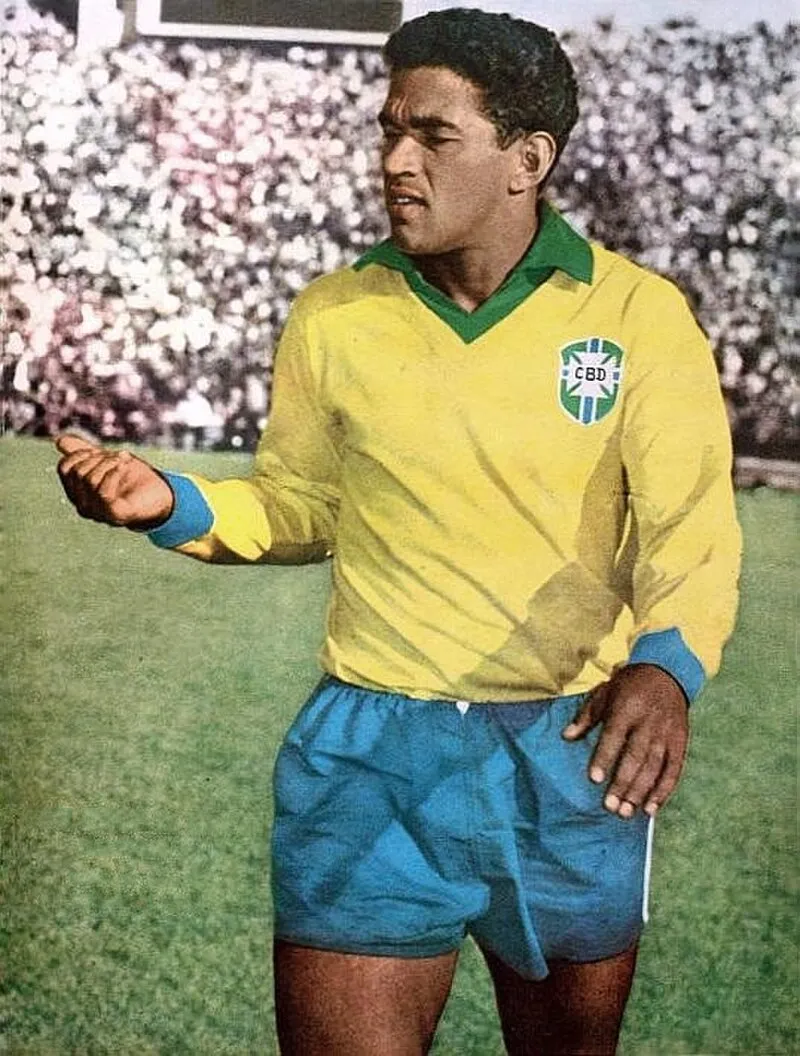
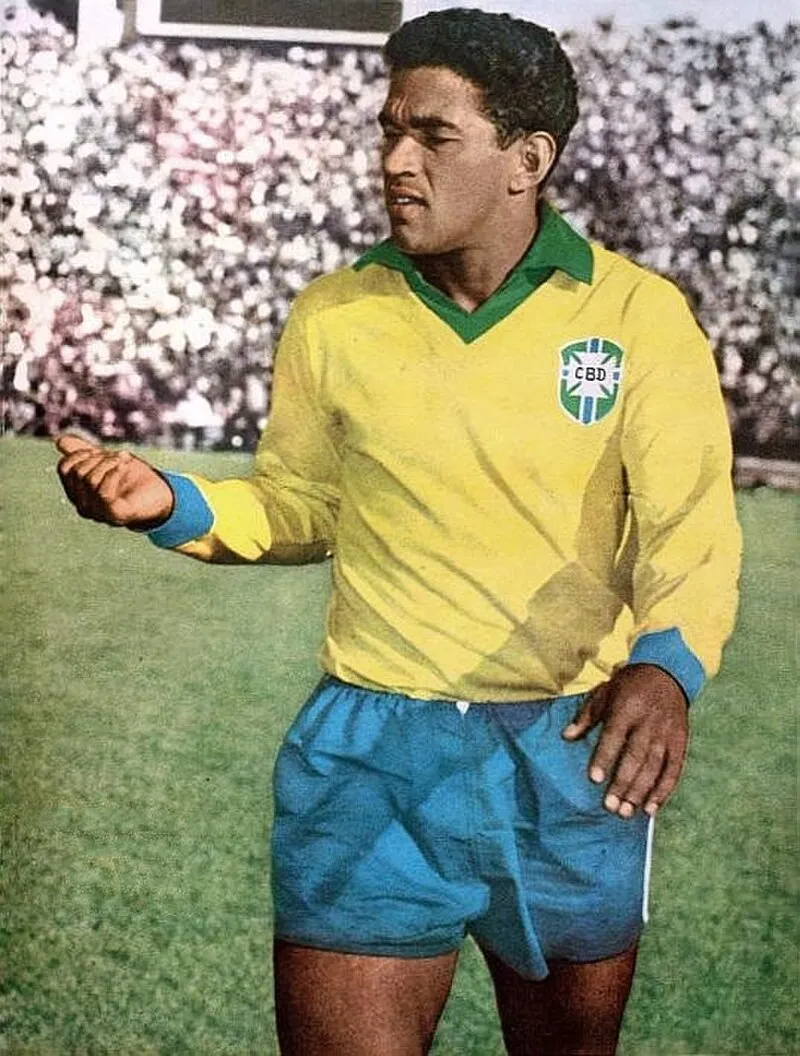
Photo of Garrincha, via Wikimedia Commons
In any conversation about the greatest footballers to ever grace the planet, Garrincha's name belongs near the very top. The man born Manoel Francisco dos Santos in Pau Grande, Brazil, possessed a gift for dribbling so otherworldly that opponents often simply stopped trying. He won the FIFA World Cup twice — in 1958 and 1962 — and at the 1962 tournament in Chile, he was arguably the single best player on earth. Yet for all his genius between the white lines, Garrincha's financial life was a masterclass in how mid-20th century Brazilian football systematically failed its most brilliant stars.
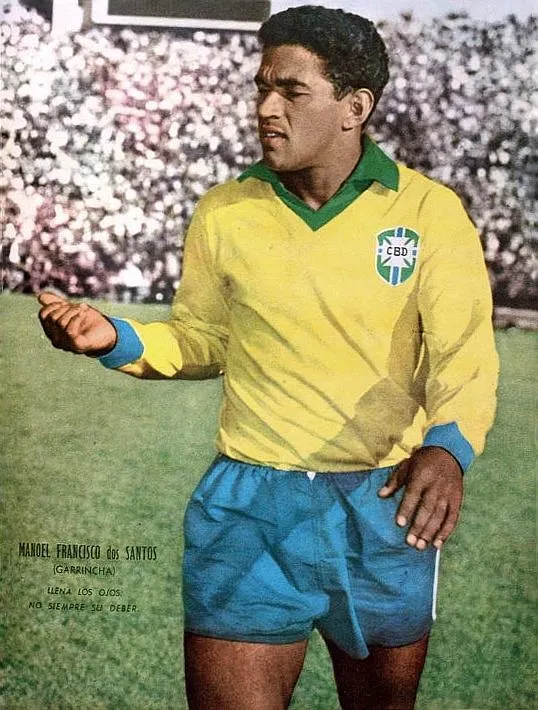 Photo: Garrincha, via lentedesportiva.com
Estimated Net Worth (Estate, 2026): $2–4 million USD
That figure, representing the current estimated value of his estate and licensing rights, is a fraction of what modern players of comparable stature command. It is also, in a painful irony, significantly more wealth than Garrincha ever personally controlled during his lifetime.
A Career Built on Brilliance, Not Bargaining Power
Garrincha spent the overwhelming majority of his professional career at Botafogo de Futebol e Regatas in Rio de Janeiro, where he played from 1953 to 1965. During those peak years, he was one of the most watched footballers in South America. However, the professional football infrastructure in Brazil during the 1950s and 1960s bore almost no resemblance to the commercial machine that exists today.
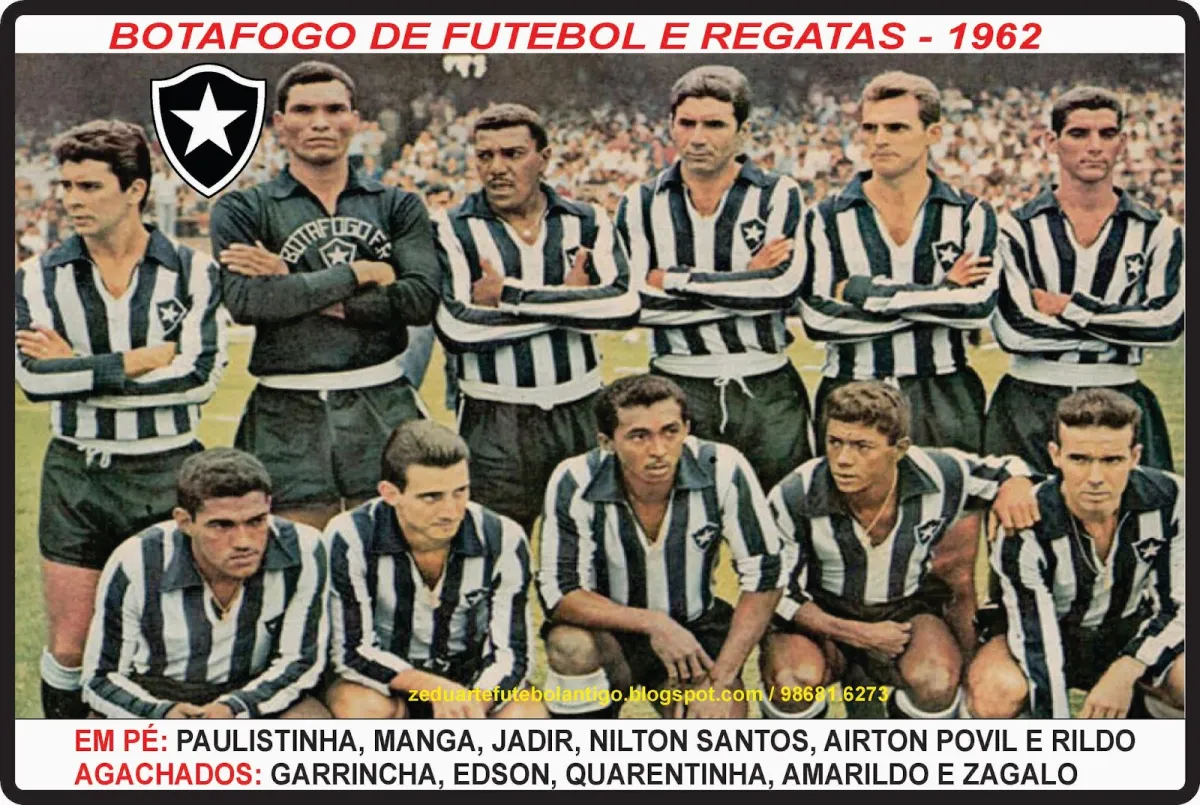 Photo: Botafogo de Futebol e Regatas, via 1.bp.blogspot.com
Club wages were modest by any international standard. Botafogo paid Garrincha a salary that, adjusted for inflation, would be considered below the minimum threshold for a modern Premier League reserve player. There were no agents negotiating performance bonuses, no release clauses, and no player unions with any meaningful leverage. Players were largely bound to their clubs through informal but ironclad power structures, and stars like Garrincha — who came from extreme poverty in the interior of Rio de Janeiro state — had neither the education nor the legal representation to advocate for fair compensation.
His brief stints at Corinthians, Portuguesa, and several other clubs in the late 1960s and early 1970s generated minimal income as his physical condition deteriorated. A catastrophic car accident in 1969 effectively ended any realistic chance of a financially meaningful late-career contract.
The Commercial Vacuum of His Era
Modern footballers earn a significant portion of their overall wealth through endorsement deals with global brands. Nike, Adidas, Pepsi, and dozens of other corporations now pay elite players tens of millions of dollars annually to associate with their image. For Garrincha, that commercial ecosystem simply did not exist in any comparable form.
Brazilian advertising in the 1950s and 1960s was overwhelmingly domestic and relatively unsophisticated. A handful of local cigarette brands and regional businesses sponsored football clubs, but individual player endorsements were rare and financially inconsequential. Garrincha did appear in some Brazilian commercial campaigns during his peak years, but estimates suggest his total lifetime endorsement earnings amounted to less than the equivalent of $50,000 in today's dollars — a figure that a mid-table Premier League player might earn from a single social media post in 2026.
His two World Cup winners' medals generated no financial windfall. Prize money structures in that era bore no resemblance to the hundreds of millions FIFA now distributes at major tournaments.
Personal Struggles and Financial Ruin
Garrincha's personal life was marked by alcoholism, which accelerated dramatically after his playing days ended. With no pension system, no investment portfolio, and no financial advisors in his corner, he spent his final years in genuine poverty. He died on January 20, 1983, at the age of 49, from cirrhosis of the liver. Reports from the time indicated that his family struggled to cover basic funeral costs.
It is a brutal contrast: a man who had played in front of crowds exceeding 150,000 at the Maracanã, who had made grown men look foolish with a simple shift of his hips, dying without the financial security that even modest planning might have provided.
The Posthumous Estate: Where Value Lives Today
Decades after his death, Garrincha's commercial value has paradoxically grown. His image and likeness are licensed for use on merchandise, retro football kits, documentary productions, and digital content platforms. The global appetite for football nostalgia — particularly in the United States, where Major League Soccer's expansion has brought new audiences to the sport's history — has created genuine revenue streams around legends of his generation.
Botafogo, his primary club, has actively incorporated his legacy into its brand identity. Replica shirts bearing his name and number sell consistently in Brazil and internationally. The club's recent financial restructuring and investment from American businessman John Textor has brought renewed global attention to Botafogo's heritage, and Garrincha is central to that narrative.
Brazilian sports licensing firms estimate that Garrincha-related merchandise and image rights generate somewhere between $150,000 and $300,000 annually for his estate. His family retains control of these rights, and as football's global footprint continues to expand — particularly into the US market ahead of the 2026 World Cup — that figure is expected to grow.
Documentary and streaming rights represent another revenue channel. Several Brazilian and international productions have explored his life story, and streaming platforms with global reach have licensed archival footage and biographical content. Each licensing agreement adds a modest but meaningful contribution to the estate's annual income.
What His Legacy Teaches the Modern Game
Garrincha's financial story is studied today not as a blueprint to follow but as a warning that shaped the sport's evolution. The player union movements of the 1970s and 1980s, the establishment of FIFA's player welfare programs, and the modern standard of professional representation all owe something to the tragedies that befell players like Garrincha.
In the United States, where player rights and financial literacy in professional sports are increasingly prioritized — from the NFL to MLS — Garrincha's story resonates as a reminder of what happens when athletic genius operates without structural protection.
His net worth in 2026 is not a number that reflects the magnitude of his talent. It never could be. But the fact that his name still generates commercial value, that his story still draws viewers and readers, and that his image still sells shirts on five continents is its own form of financial testament. The market, at least, has not forgotten what the system once failed to reward.