Franz Beckenbauer Net Worth 2026 - Der Kaiser's Empire From the Pitch to the Boardroom
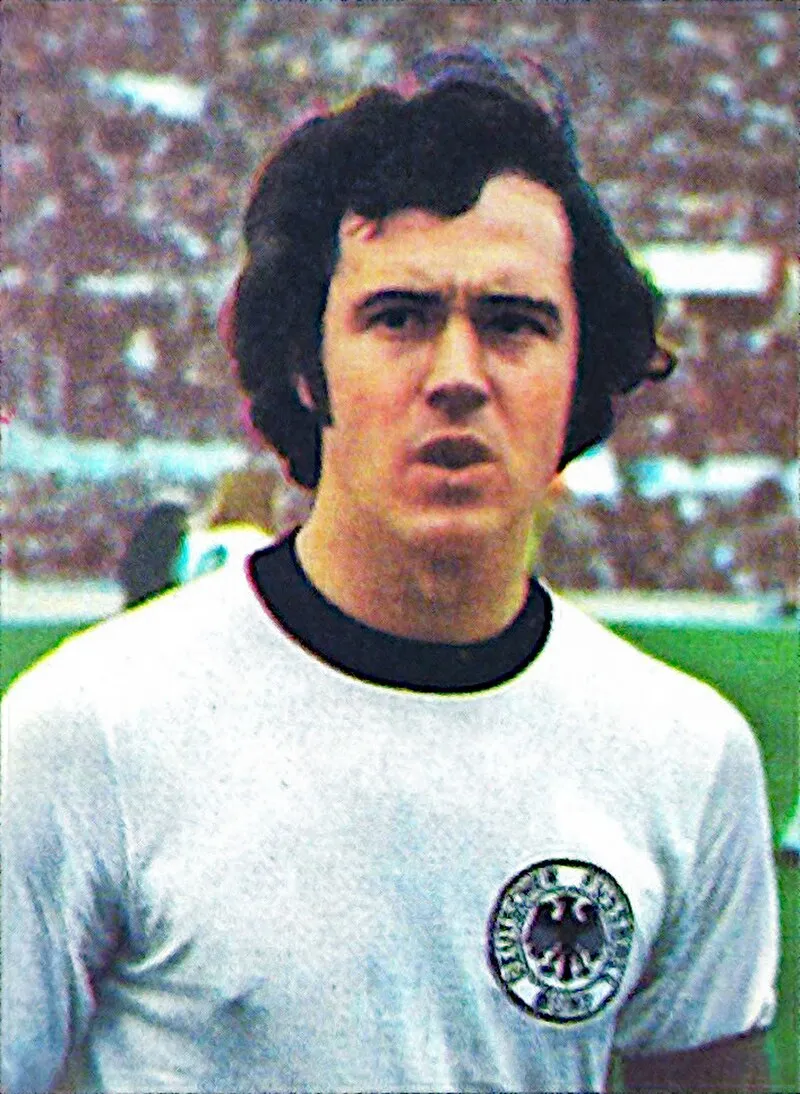
Photo of Franz Beckenbauer, via Wikimedia Commons
The Original Football Executive
Before athletes routinely became brands, Franz Beckenbauer was already operating like a one-man conglomerate. The elegant sweeper who revolutionized the libero position understood something his contemporaries did not: that a footballer's most valuable asset is not his legs but his name. By the time he retired from playing, he had already begun building what would become one of the most durable financial franchises in European sport.
At his death in January 2024, estimates of Beckenbauer's net worth generally clustered between $50 million and $70 million — a figure built less on playing wages (modest by modern standards) than on five decades of boardroom positions, broadcasting contracts, and commercial partnerships.
The Playing Career That Started Everything
Beckenbauer's playing peak came with Bayern Munich in the 1960s and 1970s, where he captained the club to three consecutive European Cups (1974–1976) and lifted the World Cup as West Germany's captain in 1974. His salary at Bayern, while elite for the period, would look almost quaint today — top earners of that era made the equivalent of a few hundred thousand dollars annually.
His brief and lucrative American interlude with the New York Cosmos (1977–1980, with a return in 1983) was the financial turning point. Playing alongside Pelé in the NASL, Beckenbauer reportedly earned several hundred thousand dollars per season plus American endorsement opportunities, at a time when he was also cultivating the US business contacts that would serve him for decades.
The Manager and the Kingmaker
Beckenbauer then did something almost unique: he won the World Cup again, managing West Germany to the 1990 title, becoming one of only three men to win the tournament as both player and manager. That achievement cemented his status as football royalty and made him permanently employable at the highest level of the sport's administration.
His subsequent roles were less about salary than access and equity:
- Bayern Munich presidency and board positions spanning decades, providing steady executive compensation and influence over commercial partnerships.
- DFL and German FA roles, including the presidency of the German Football Association's organizing apparatus.
- The 2006 World Cup bid and organizing committee chairmanship, the role that would define — and haunt — his final decades.
Broadcasting and the German Media Machine
For German audiences, Beckenbauer was a fixture on television for over 30 years, chiefly as the chief analyst for broadcaster RTL and previously for Sat.1 and ARD. His commentary deal with RTL, in place for years, reportedly paid him a seven-figure annual sum — extraordinary money for a pundit and a testament to his cross-generational appeal.
Endorsements completed the picture. Beckenbauer fronted campaigns for companies including Mercedes-Benz, Coca-Cola, and various German financial institutions, and his face sold everything from beer to banking with a credibility few athletes achieve in middle age, let alone retirement.
The 2006 Scandal and Its Costs
The shadow over the empire arrived late. Investigations into Germany's 2006 World Cup bid revealed a slush fund of roughly €6.7 million, allegedly used to secure votes, and Beckenbauer — as head of the organizing committee — spent years under scrutiny by Swiss prosecutors and FIFA's ethics bodies. He was never convicted; proceedings were ultimately closed. But the reputational damage was real and quantifiable.
Sponsors quietly distanced themselves. RTL ended the relationship that had defined his media presence. Legal fees mounted. Associates close to the family described his final years as diminished by the affair, and German football's most beloved figure spent his last decade defending a legacy rather than adding to it.
The Estate and the Legacy
Beckenbauer's estate, settled largely among his widow Heidrun and his children, consists primarily of real estate in Austria and Germany, residual media and image rights, and his accumulated executive wealth. Unlike Maradona, whose estate remains contested, the Kaiser's affairs were reportedly structured with Germanic order.
His financial story offers a template that modern stars — from Zlatan Ibrahimović to David Beckham — have consciously followed: playing career as foundation, media presence as annuity, and executive influence as the true fortune. Beckenbauer invented that playbook, and mostly profited from it, right up until the scandal that proved even an empire built on trust can be taxed by its loss.