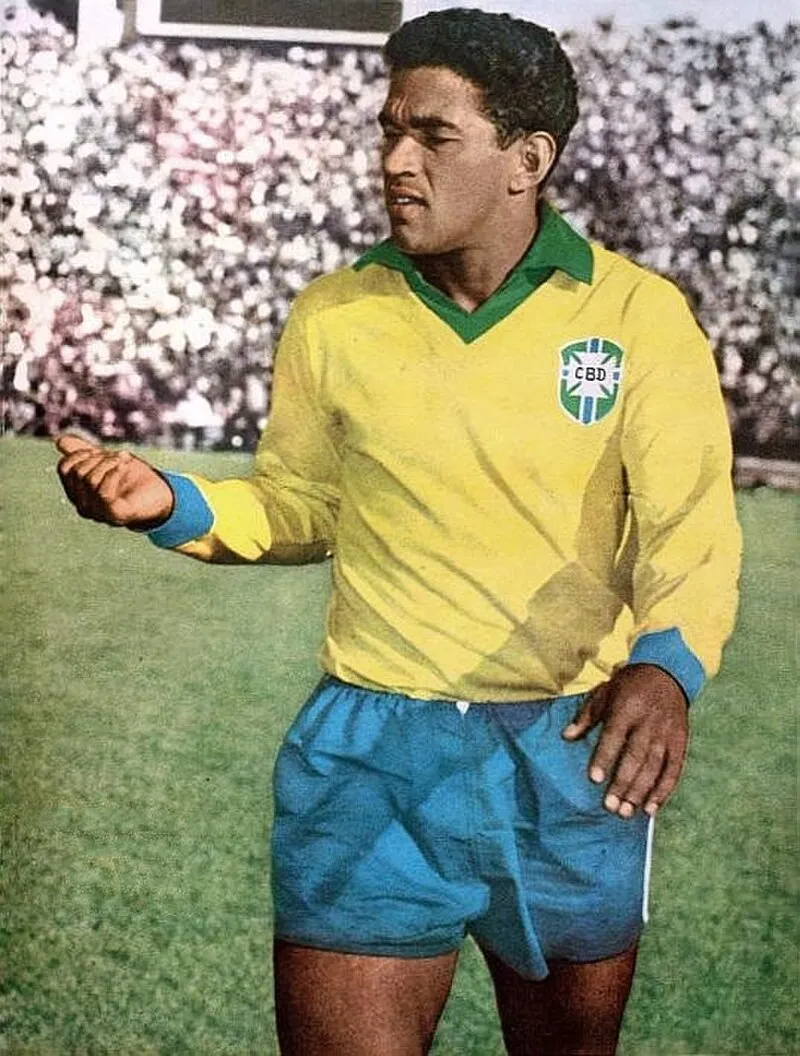
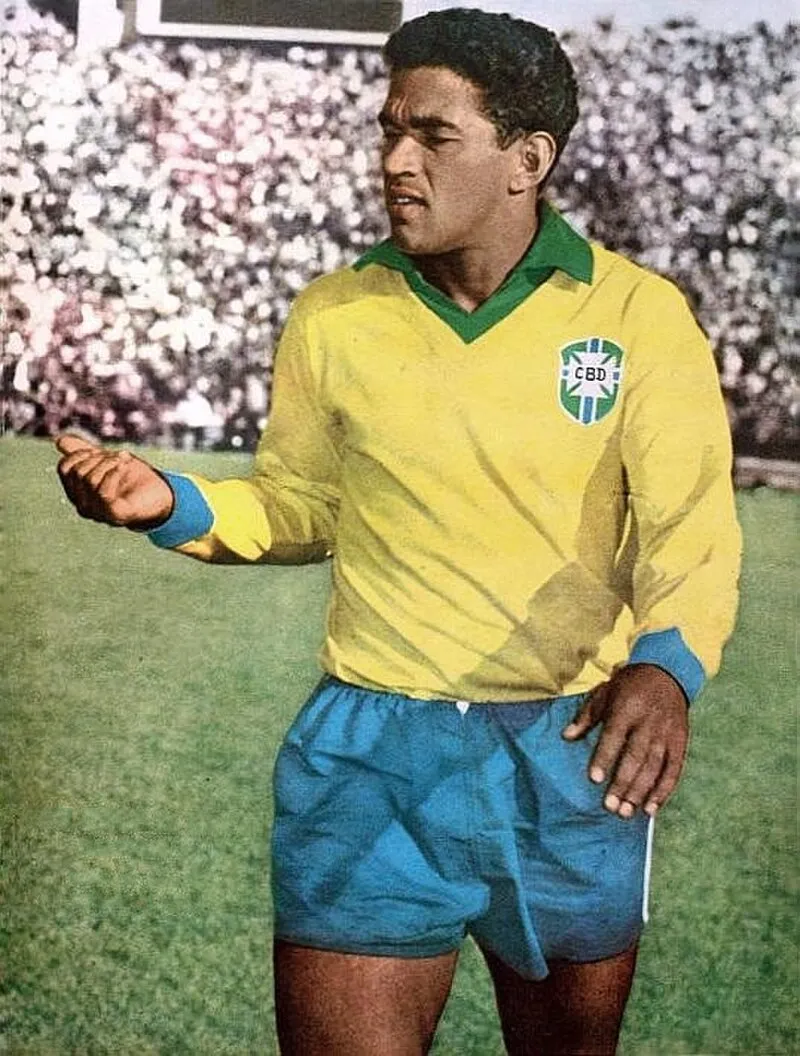
Eusebio Net Worth 2026 - Portugal's Black Panther Built Empire Beyond the Pitch
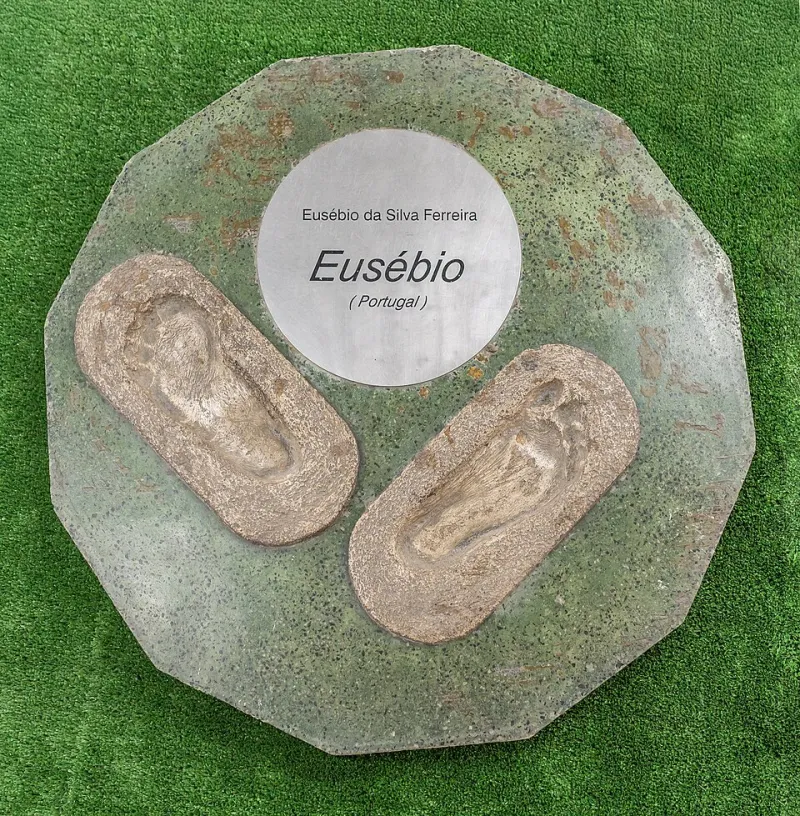
Photo: Rjcastillo, CC BY 4.0, via Wikimedia Commons
From Mozambique to Millionaire Status
Eusébio da Silva Ferreira, known simply as Eusébio, constructed a financial empire worth an estimated $18 million through a combination of strategic career moves, savvy business investments, and the enduring commercial power of his legendary status in Portuguese football. The Black Panther's wealth-building journey represents one of soccer's most remarkable rags-to-riches stories, transforming a young player from colonial Mozambique into one of Europe's wealthiest athletes of the 1960s and 70s.
 Photo: Eusébio da Silva Ferreira, via fromlisbonwithlove.eu
Unlike many of his contemporaries who struggled to monetize their fame, Eusébio demonstrated exceptional business acumen that extended far beyond his goal-scoring prowess. His financial success stemmed not just from his playing contracts, but from his ability to leverage his iconic status across multiple revenue streams that continued generating income long after his retirement.
The Benfica Goldmine
Eusébio's financial foundation was built during his extraordinary 15-year tenure at Benfica, where he became the highest-paid player in Portuguese football history. His initial contract in 1961 paid approximately $200 per month—modest by modern standards but exceptional for a young African player in European football.
As Benfica dominated European competition throughout the 1960s, Eusébio's salary escalated dramatically. By 1968, he was earning an estimated $2,000 monthly, plus substantial bonuses tied to the club's success in domestic and European competitions. His contract included pioneering image rights clauses that would prove financially prescient, allowing him to retain control over commercial endorsements and appearance fees.
The Portuguese legend's most lucrative period came during Benfica's back-to-back European Cup finals in 1961 and 1962, followed by their 1962 triumph. Victory bonuses and increased commercial opportunities pushed his annual earnings above $50,000—equivalent to roughly $500,000 in today's money when adjusted for inflation.
1966 World Cup: The Commercial Breakthrough
Eusébio's performances during the 1966 World Cup in England transformed him from a European star into a global commercial phenomenon. His nine goals, including four against North Korea in the quarterfinals, made him the tournament's Golden Boot winner and established his marketability on an international scale.
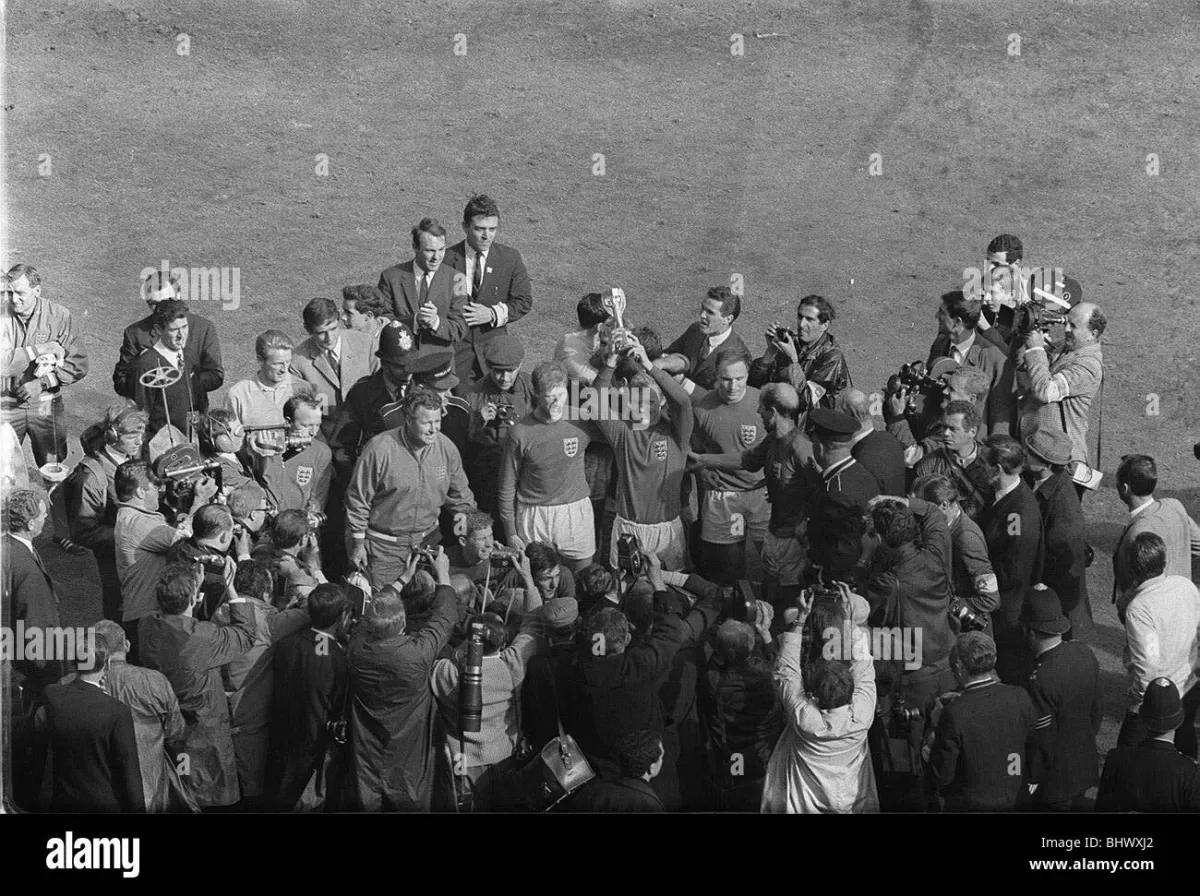 Photo: 1966 World Cup, via c8.alamy.com
The World Cup success opened doors to endorsement deals that were revolutionary for the era. Eusébio signed agreements with Adidas, becoming one of the first African players to secure a major boot deal. His contract reportedly included both upfront payments and royalty arrangements that continued generating income throughout the 1970s.
Television appearances and commercial endorsements in England, Germany, and across Europe added an estimated $100,000 to his annual income during the late 1960s. For context, this figure exceeded the salaries of most professional athletes in any sport during that period.
Strategic Career Moves and International Ventures
Eusébio's decision to extend his career in North America proved financially astute, even as it raised eyebrows among European purists. His moves to the Boston Minutemen and later Toronto Metros-Croatia in the late 1970s commanded salaries that dwarfed his European earnings, with reports suggesting he earned over $200,000 annually in Major League Soccer's predecessor leagues.
These North American ventures weren't just about immediate income—they positioned Eusébio in emerging markets that would prove valuable for decades. His popularity in the United States and Canada created opportunities for coaching clinics, promotional appearances, and business partnerships that extended well beyond his playing career.
Post-Career Business Empire
Following retirement, Eusébio demonstrated the same strategic thinking that defined his playing career. He established football academies in Portugal and Mozambique, creating revenue streams while developing the next generation of players. These academies generated consistent income while maintaining his connection to the sport.
His appointment as a Benfica ambassador provided both salary and equity opportunities as the club's commercial value increased during the 1980s and 90s. Eusébio's presence at club events and his role in player recruitment created substantial value for Benfica while providing him with consistent income and benefits.
Real estate investments across Lisbon and the Algarve region proved particularly lucrative. Eusébio purchased properties during Portugal's pre-tourism boom years, benefiting from dramatic appreciation as the country became a major European destination.
Media Rights and Commercial Licensing
Eusébio's foresight in retaining image rights proved exceptionally valuable as football's commercial landscape evolved. His estate continues generating substantial income through licensing deals, documentaries, and biographical projects. The enduring fascination with his story—particularly his journey from colonial Africa to European stardom—maintains consistent commercial interest.
Television rights for matches featuring Eusébio command premium prices, with broadcasters worldwide paying substantial fees for access to footage from his greatest performances. His estate has negotiated favorable terms for these rights, ensuring continued revenue generation.
The Posthumous Goldmine
Since Eusébio's death in 2014, his estate has experienced significant appreciation in value. Memorabilia auctions have set record prices for items associated with his career, including match-worn jerseys and personal artifacts. His 1966 World Cup Golden Boot award alone is estimated to be worth over $500,000.
The commercial value of the Eusébio brand has increased as football's global popularity has expanded into new markets. Licensing deals for video games, documentaries, and biographical films continue generating substantial royalties for his estate.
Investment Portfolio and Financial Legacy
Eusébio's conservative investment approach emphasized traditional assets and real estate over speculative ventures. His portfolio included significant holdings in Portuguese banks and telecommunications companies, investments that appreciated substantially as Portugal's economy modernized.
His financial advisors estimate that smart investment decisions during the 1970s and 80s contributed more to his overall net worth than his playing earnings. This approach provided financial security that many athletes of his generation failed to achieve.
Comparative Wealth Analysis
When compared to contemporary stars like Pelé or Franz Beckenbauer, Eusébio's $18 million net worth represents exceptional financial management given the limited commercial opportunities available to players of his era. His ability to build lasting wealth without the benefit of modern salary structures or commercial deals demonstrates remarkable business acumen.
For American sports fans, Eusébio's financial success mirrors that of pioneers like Jim Brown or Wilt Chamberlain—athletes who transcended their sports to build business empires that outlasted their playing careers.
The Eusébio legacy continues generating income through multiple channels, ensuring his financial empire remains as enduring as his goal-scoring records. His story proves that with strategic thinking and business discipline, even players from football's pre-commercial era could build substantial, lasting wealth.