The Golden Years: Building a Fortune in Europe
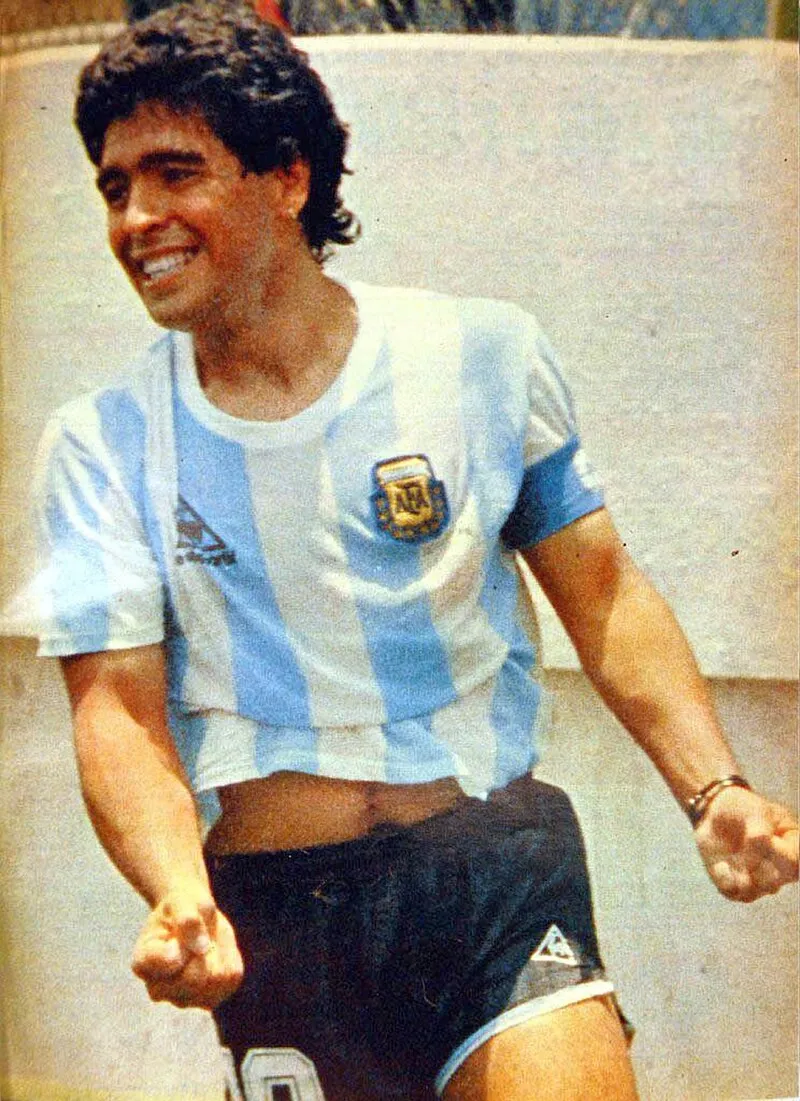
Diego Armando Maradona's financial story begins in the slums of Villa Fiorito, Buenos Aires, where poverty shaped his early relationship with money. By 1982, when Barcelona paid a then-world record $7.6 million for his services, Maradona had already begun accumulating wealth that would define soccer's modern transfer market.
The Barcelona contract represented a quantum leap in soccer salaries, with Maradona earning approximately $2 million annually - astronomical figures for the early 1980s. However, his tumultuous two-year stint in Catalonia, marked by injuries and conflicts, would foreshadow the financial mismanagement that plagued his later career.
The Napoli Goldmine: Peak Earning Years
Maradona's 1984 transfer to Napoli for $10.5 million established new benchmarks for player valuations. His seven-year contract included base salaries exceeding $3 million annually, plus performance bonuses that often doubled his earnings during successful campaigns. The deal also included lucrative image rights agreements that capitalized on his growing global appeal.
During the Napoli years (1984-1991), Maradona's total earnings approached $40 million when accounting for salaries, bonuses, and endorsements. His partnership with Puma generated an estimated $15 million across multiple contract extensions, while his association with Coca-Cola in Latin American markets added another $8 million to his portfolio.
The 1986 World Cup triumph in Mexico amplified Maradona's commercial value exponentially. Market analysts estimate his global endorsement potential peaked at $25 million annually during this period, though actual contracts fell short of this figure due to his representatives' limited business acumen.
International Ventures and Declining Returns
Following his departure from Napoli amid controversy, Maradona's earning power remained substantial but inconsistent. His brief return to Barcelona in 1993 yielded $7 million, while his final European stint at Sevilla generated approximately $4 million over two seasons.
The transition to Boca Juniors marked both a homecoming and a financial reality check. His 1995-1997 contracts totaled roughly $12 million, respectable figures for Argentine standards but representing a significant decline from his European peak.
The Coaching Era: Modest Gains and Major Losses
Maradona's coaching career provided sporadic income streams but never approached his playing-era earnings. His tenure with the Argentine national team (2008-2010) generated approximately $8 million in total compensation, while various club positions across the Middle East and Latin America added another $15 million to his lifetime earnings.
However, these coaching salaries were consistently undermined by mounting legal expenses and tax obligations that had accumulated over decades.
Financial Downfall: Tax Battles and Poor Management
The Spanish government's pursuit of unpaid taxes from Maradona's Barcelona years created a financial albatross that haunted him for decades. Initial assessments of $37 million in back taxes, penalties, and interest grew to over $60 million by 2010, effectively consuming much of his accumulated wealth.
Concurrent legal battles in Italy regarding his Napoli earnings added another $23 million in potential liabilities. These European tax disputes forced Maradona to liquidate significant assets, including luxury properties in Buenos Aires and Miami worth an estimated $18 million.
Perhaps more damaging was the absence of professional financial management during his peak earning years. Unlike contemporary stars who employed teams of advisors, Maradona relied heavily on family members and close friends whose business inexperience proved costly.
Estate Valuation and Posthumous Earnings
When Maradona died in November 2020, his estate was valued at approximately $5 million - a shocking figure considering lifetime earnings exceeding $100 million. The bulk of his remaining assets consisted of image rights and memorabilia, with minimal liquid assets or real estate holdings.
However, his death triggered renewed commercial interest in the Maradona brand. Netflix's documentary deal reportedly generated $8 million for his estate, while various licensing agreements for biographical films and merchandise have added another $12 million since 2020.
The estate's management has pursued aggressive monetization strategies, including partnerships with cryptocurrency platforms and NFT collections that have generated an additional $6 million. These posthumous earnings demonstrate the enduring commercial appeal of Maradona's legacy, even as they highlight the financial mismanagement that characterized his lifetime.
Legacy Analysis: Lessons in Wealth Preservation
Maradona's financial trajectory serves as a cautionary tale for modern athletes. Despite earning more than most players of his generation, poor financial planning, tax avoidance, and inadequate professional management resulted in a net worth that represented less than 5% of his lifetime earnings at the time of his death.
Current estimates suggest that with proper financial stewardship, Maradona's estate could have been worth $200-300 million, placing him among soccer's wealthiest legends alongside Pelé and Franz Beckenbauer.
The ongoing legal battles over his estate, involving eight children and multiple claimants, continue to complicate the financial picture. However, the Maradona brand's commercial resurrection suggests that his financial legacy may ultimately prove more valuable in death than it was during his chaotic final years.